Resources
Publications
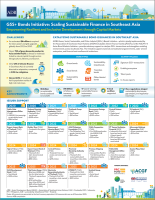
GSS+ Bonds Initiative: Scaling Sustainable Finance in Southeast Asia
This flyer highlights the impact of ADB’s Green, Social, Sustainable, and Other Labeled (GSS+) Bonds Initiative since its launch in 2020, which has catalyzed over $5 billion in GSS+ transactions to…
Climate Risk and Adaptation Assessment for the Laguna Lake Area: An Integrated Approach to Climate-Resilient Infrastructure Planning
This report summarizes the results of a climate risk and adaptation assessment of the Laguna Lake area in the Philippines to help inform climate-resilient planning and investment.
Air Quality in Southeast Asia: Status, Trends, and Priority Interventions Across Eight ASEAN Cities
This publication provides an overview of air quality in Southeast Asia and highlights priority actions to strengthen monitoring, coordination, and financing for clean air.
ASEAN Catalytic Green Finance Facility 2025: Turning Regional Ambition into Green Investments
This report summarizes progress made and achievements from January to December 2025 of the ASEAN Catalytic Green Finance Facility (ACGF).
Blogs and Multimedia




In the News
New $20 Million Revolving Fund Offers Cambodian SMEs Better Loan Terms for Energy-Efficient Upgrades
ADB supports battery energy storage project in Cambodia
Activities
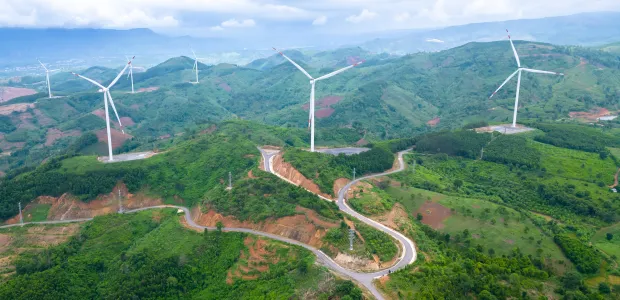
ACGF newsletter highlights building investment-ready green infrastructure
ACGF released its January–June 2026 Newsletter, Beyond Financing: Building Investment-Ready Projects, highlighting how strong project preparation, technical expertise, and partnerships can help move green infrastructure toward investment readiness. The edition features progress on the ASEAN Power Grid through the Regional Connectivity Fund, new energy initiatives in Cambodia, insights on scaling climate finance and mobilizing private capital, and key ACGF highlights from the first half of 2026.
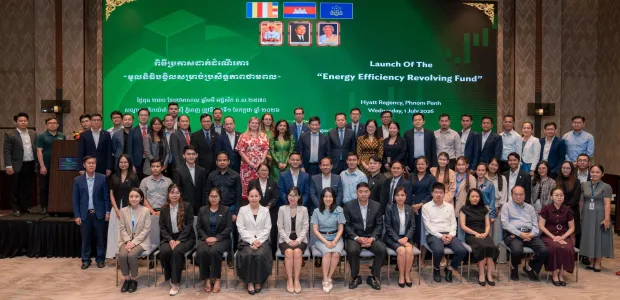
Energy Efficiency Revolving Fund launched in Cambodia
With support from ACGF, the $20 million Energy Efficiency Revolving Fund was launched to help small and medium-sized enterprises in Cambodia invest in energy-saving technologies, reduce costs, and improve access to green finance. Supported by the Green Climate Fund and the UK’s Foreign, Commonwealth, and Development Office, the fund will help reduce lending risks and enable more local businesses, including women-owned and women-led enterprises, to adopt practical energy efficiency solutions.
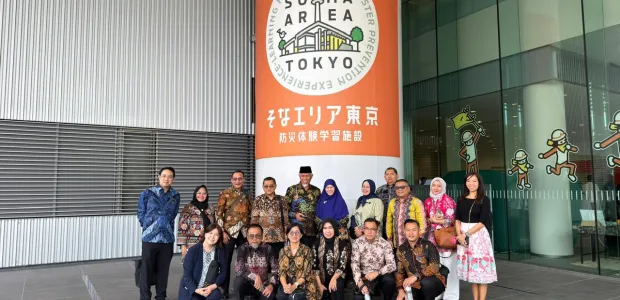
Strengthening Indonesia’s Municipal Bond Market for Sustainable Cities
ADB, with support from ADBI, organized a study visit to Japan for senior Indonesian officials to strengthen knowledge on municipal bond development and sustainable urban finance. The program combined technical discussions with field visits to climate-resilient and disaster prevention project sites in Tokyo, Kawasaki, and Nagoya. Participants gained exposure to municipal bond structures, regulatory processes, project pipeline development, credit ratings, investor demand, and risk management. The study visit formed part of ACGF’s GSS+ initiative to help ASEAN member states mobilize green, social, and sustainable finance, with support from the Green Climate Fund and the United Kingdom’s Foreign, Commonwealth and Development Office.

Strengthening Thailand's Sustainable Finance Market
Through ACGF and its GSS+ initiative, ADB supported Government Savings Bank (GSB) in developing its Sustainable Finance Framework, helping position it among the first state-owned banks aligned with the Thailand Taxonomy. The framework supported GSB's inaugural THB20 billion sustainability bond, which highlighted growing investor confidence in Thailand's green transition priorities. Since 2020, GSS+ has supported more than 20 sustainable finance issuances in Thailand, raising nearly $5 billion across sovereign, state-owned enterprise, and private sector issuers.
Image source: Government Savings Bank, Thailand
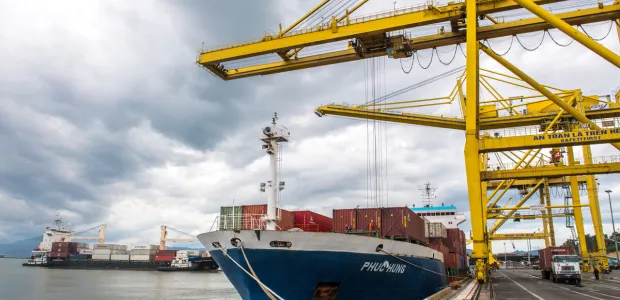
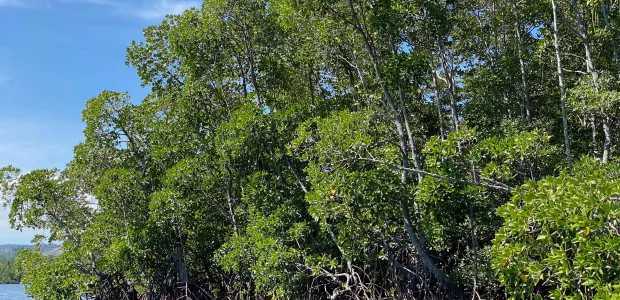
Coastal and Port Engineering: Building Lines of Defense
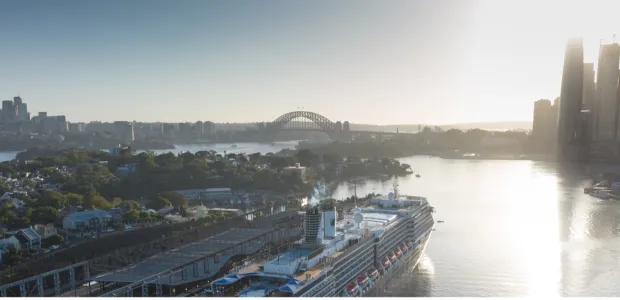
ACGF convened the eighth session of the green ports webinar series on Coastal and Port Engineering: Building Lines of Defense, hosted through ADB's Southeast Asia Development Solutions and Development Asia platforms. The session explored how nature-based solutions, hybrid infrastructure, and adaptive engineering approaches supported ports in managing rising seas, stronger storms, and changing coastal conditions, while drawing on global case studies on living shorelines, eco-engineered defenses, and the beneficial reuse of dredged material.