How a structured approach to identifying what matters most is helping ports build trust, align stakeholders, and deliver on their sustainability commitments.
Ports sit at the intersection of global trade, community wellbeing, and environmental stewardship. In an era of rising regulatory requirements, growing investor and lender scrutiny, and increasingly vocal communities, the ability to operate is no longer guaranteed by infrastructure alone. Ports must earn, and continuously maintain, their social license to operate.
But what does that mean in practice? How does a port move from broad sustainability ambitions to a focused set of priorities that genuinely reflect what matters to its stakeholders, its communities, and its business?
The third webinar in the Asian Development Bank’s (ADB) Green and Resilient Ports series explored these questions, bringing together port practitioners from Australia and Thailand alongside ADB specialists to examine materiality as a practical tool for strengthening port sustainability and social license.
Rising Expectations, Expanding Accountability
The pressure on ports has never been greater. As Adrian Sammons, Senior Transport Specialist at ADB, highlighted during the session, ports are evolving from purely logistics assets into social, environmental, and governance actors. Communities around ports experience air pollution, water contamination, noise, traffic congestion, and waste. Even when port authorities do not directly control the ships, trucks, or tenants operating on their land, communities, regulators, and the media often hold them responsible as the most visible and permanent actor. This makes social license fundamentally a governance challenge, not just an environmental one.
Maritime transport currently contributes approximately 3% of global greenhouse gas emissions, a share expected to rise significantly as global trade expands. Expectations are shifting rapidly. Data from the European Sea Ports Organisation (ESPO) reveals a striking trend: climate change was absent from European ports’ top ten sustainability priorities in 2018 yet had become the number one priority by 2024. Pressure is now coming simultaneously from regulators, financiers, cargo owners, shipping lines, and communities, all demanding demonstrable, credible ESG performance.
For ASEAN ports, the challenge is clear: how to build and maintain trust and legitimacy in an environment where expectations are rising and where inaction carries growing commercial, regulatory, and reputational risks.
Materiality: Turning Complexity into Clarity
Materiality offers ports a practical framework to navigate this complexity. As session moderator Jackie Spiteri, ADB Consultant and Managing Director of SESG, explained, a materiality assessment is not a reporting exercise, it is a planning tool that helps organizations move from broad sustainability ambitions to focused, defensible, and actionable priorities.
A materiality assessment examines three interconnected dimensions: business risk (issues that could affect financial or operational performance), stakeholder expectations (what communities, regulators, investors, and customers care about), and organizational control (what the port can realistically influence or manage). The process typically begins with a value chain analysis that identifies a wide range of potential ESG topics. Through structured risk assessment and stakeholder engagement, these are progressively narrowed to the issues that are both most significant and most actionable. A core concept underpinning this approach is double materiality, which considers both impact materiality (how port operations affect society and the environment) and financial materiality (how sustainability issues affect the business). Together, these perspectives ensure that sustainability strategies are grounded in reality while meeting investor, regulator, and community expectations.
“Every port is unique in its size, shape, and location, making it essential to focus on what is most material through stakeholder engagement, risk and opportunity analysis, and compliance obligations.”
Jackie Spiteri, Managing Director, SESG
From Framework to Practice: Geraldton and Bangkok
Two case studies illustrated how materiality translates from concept to measurable action across very different port contexts.
At Mid-West Ports Authority (MWPA), operator of Geraldton Port on Australia’s west coast, Environment Manager Sarah Barron described a two-stage process that began with 82 ESG topics identified through a desktop value chain analysis. Internal workshops narrowed these to 35 topics, which were then tested through the port’s established community consultation forum, involving industry, local government, community groups, and environmental organizations. The resulting materiality matrix identified 10 priority focus areas.
Importantly, the process surfaced misalignments. Some high-risk issues did not rank highly with stakeholders. Rather than excluding them, MWPA integrated risk analysis alongside stakeholder feedback, ensuring the strategy remained both responsive and robust. Transparency has remained central, with sustainability metrics published annually.
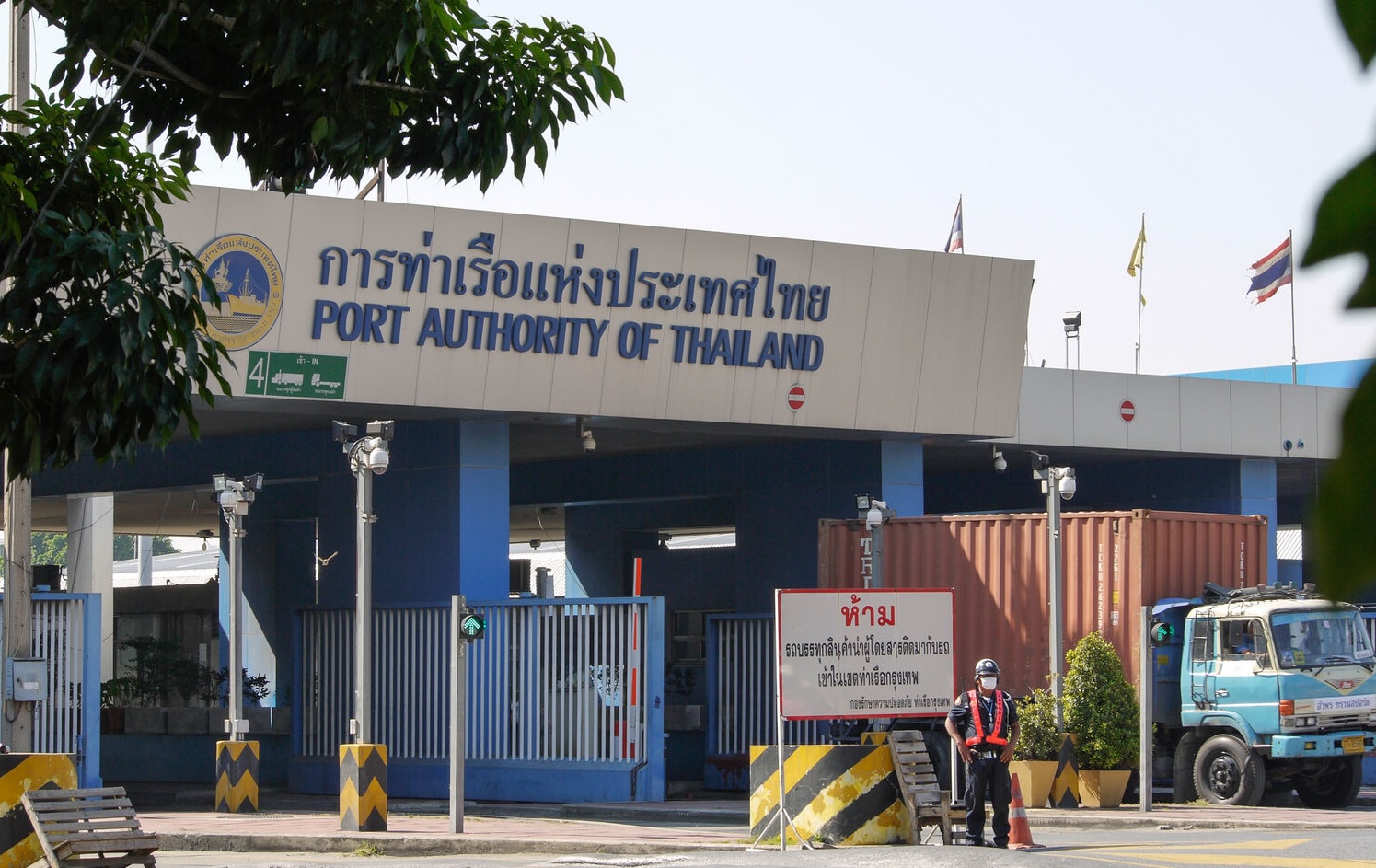
For the Port Authority of Thailand (PAT), which manages five ports including Bangkok and Laem Chabang, materiality has driven measurable outcomes. As outlined by Suphattra Phisaisawat, PAT’s Environmental Master Plan, structured around decarbonization, human resource development, and supply chain cooperation, has guided more than USD 10 million in low-carbon technology investment. The result was a verified 5% reduction in emissions in a single year, certified by Thailand’s Greenhouse Gas Organization, alongside a commitment to reach net zero by 2050 across all five ports.
Key insight: Materiality does not dilute ambition – it helps ports invest where impact is greatest.
Building Social License for the Long Term
A recurring theme throughout the discussion was the importance of genuine, two-way engagement. Social license is not built through consultation alone, but through honesty about constraints, clarity on priorities, and visible progress over time. PAT’s approach emphasizes open dialogue, transparency about limitations, and inviting stakeholders to be part of the solution.
At Geraldton Port, social license has also been built through deeply local initiatives. Sarah Barron described how the port’s Australian sea lion protection programme, centred on an endangered species that has become a beloved community icon, has combined environmental stewardship with community identity. Through awareness campaigns, collaboration with traditional owners, and data-sharing with regulators, the initiative has evolved into a trusted partnership rather than a compliance exercise.
These examples underline a simple truth: social license is earned not through reporting alone, but through consistent visible commitment to the people and places ports serve.
What This Means for ASEAN Ports
For ports across Southeast Asia, the pathway forward is increasingly clear. Materiality provides a practical foundation for prioritization, investment, and engagement in a complex operating environment. Ports that embed materiality into strategy and decision-making will be better positioned to strengthen trust with communities and regulators, attract green and transition finance, meet evolving ESG requirements, and compete in a market where sustainability performance is an increasingly important differentiator.
Building and maintaining a social license to operate is not a one-off project. It is an ongoing commitment to listening, learning, and improving, grounded in a clear understanding of what matters most. By moving beyond compliance and using materiality as a strategic tool, ASEAN ports have an opportunity to position themselves not only as efficient trade gateways, but as responsible stewards of coastal environments and trusted partners in the communities they serve.