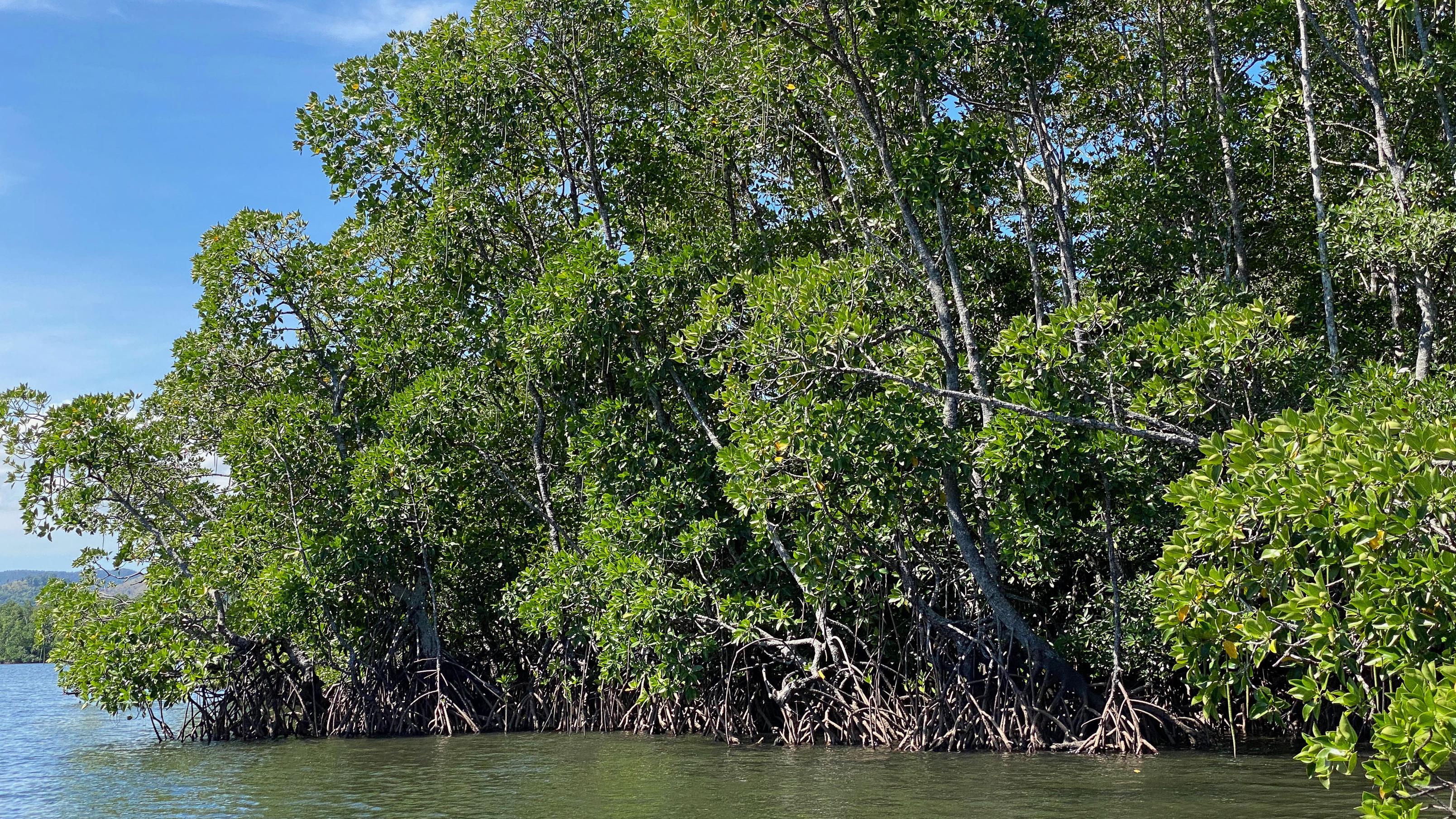
Hybrid engineering and materials innovation are supporting adaptive, nature-integrated infrastructure.
Ports are essential to global trade and economic connectivity, but their coastal location places them on the frontline of climate change. Rising sea levels, stronger storms, coastal erosion, and changing sediment dynamics are increasing risks to port infrastructure, operations, and nearby communities.
As climate risks intensify, ports are shifting toward more adaptive approaches that combine climate-resilient design, materials innovation, and eco‑engineering. Advanced, high‑durability, low-carbon materials, such as geopolymer concrete, corrosion‑resistant composites, and self‑healing systems, are being explored to extend asset life in aggressive marine environments. Ports are also considering adaptive quay heights, design allowances for future sea-level rise, and enhanced protection against extreme weather events.
The eighth session of ACGF’s Green and Resilient Ports webinar series, Coastal and Port Engineering: Building Lines of Defense, explored how the sector can move beyond conventional protection methods toward more nature-integrated and future-ready solutions. The session brought together experts who shared case studies showing how ports can strengthen resilience, enhance environmental outcomes, and unlock long-term economic value.
Rethinking Coastal Defense in a Changing Climate
Traditional coastal protection has relied heavily on hard infrastructure, including seawalls, revetments, and breakwaters. While these approaches can be effective, they can also be inflexible, environmentally disruptive, and increasingly costly to maintain under dynamic climate conditions.
Rebecca Morris of the University of Melbourne emphasized that coastal systems are not static. Natural processes such as sediment transport, barrier formation, and ecosystem dynamics help absorb wave energy and stabilize shorelines. However, conventional engineering has often worked against these processes rather than with them.
This creates a critical challenge for ports: how to protect assets and maintain operations while responding to uncertainty, particularly from sea-level rise and more intense storms, which can increase wave overtopping, downtime, and operational inefficiencies.
The discussion underscored the need for a broader “lines of defense” mindset that integrates natural systems, engineered assets, adaptive design, and emerging materials technology.
Nature-Based, Hybrid Solutions, and Material Innovation
A central theme of the webinar was the growing role of nature-based solutions and hybrid gray-green infrastructure in coastal and port engineering. These approaches combine ecological systems with engineering design to deliver both coastal protection and wider environmental and economic benefits.
Examples shared during the session included living shorelines, which use mangroves, salt marshes, and seagrasses to attenuate wave energy, stabilize sediments, and adapt naturally to sea-level rise. Speakers also discussed eco-engineered breakwaters, including reef-mimicking and oyster-based systems that dissipate wave energy while enhancing biodiversity and water quality. Hybrid solutions were also highlighted, such as engineered structures that support ecosystem establishment, including rock fillets that enable mangrove growth and eventually allow natural systems to take over protective functions.
Unlike conventional infrastructure, some of these systems can become more effective over time. As mangrove and reef habitats develop, they become self-sustaining, strengthening their protective capacity while reducing long-term maintenance requirements.
Maritime engineer Niels van Kouwen highlighted frameworks such as the World Bank’s nature-based solutions guidelines, which help ports identify opportunities across four areas: working with coastal systems, attenuating wave dynamics, reusing dredged material, and enhancing existing infrastructure.
The webinar also highlighted innovations in alternative materials for breakwaters. Aziz Mahmood of the University of Technology Sydney presented a case study on high-density, low-carbon geopolymer concrete produced entirely from industrial by-products such as fly ash, slag, and steel furnace aggregates. This approach eliminates the need for traditional cement, reduces carbon emissions, and repurposes waste streams into high-value infrastructure.
The increased density of these materials improves stability under stronger wave conditions, allowing for smaller armor units without compromising performance. With careful mix design, these materials can also improve durability and minimize environmental risks during long-term exposure. Combined with nature-based design, advances in materials can help ports improve resilience while supporting decarbonization and circular economy goals.
Delivering Impact: From Case Studies to Measurable Benefits
Real-world examples demonstrated that these approaches are already delivering results.
Mary Kate Brown of The Nature Conservancy presented a case from the United States, where a small port community combined breakwaters, marsh creation, and beneficial reuse of dredged sediment to restore eroding shorelines and build resilience. The project restored over 40 acres of coastal habitat, created new tidal creeks, improved biodiversity, and enhanced storm buffering and flood protection. It also withstood multiple major storm events since construction with minimal damage, demonstrating the robustness of nature-based defenses.
Beyond protection, the project generated benefits such as improved water quality, carbon sequestration, fisheries productivity, community engagement, and long-term investment potential.
Looking Ahead: From Protection to Value Creation
The transition to greener, more adaptive coastal defenses represents more than risk mitigation. It is an opportunity for ports to reduce lifecycle costs, improve operational reliability, and strengthen their social license to operate by delivering visible environmental and social benefits.
Several priorities emerged from the discussion:
- Embedding flexibility in design to accommodate future climate scenarios
- Leveraging dredged materials as a resource rather than waste
- Strengthening technical guidance and capacity to scale solutions
- Engaging stakeholders, from regulators to local communities, to enable adoption
As Rebecca Morris summarized, the future port shoreline will not rely on a single solution, but on a spectrum of approaches where nature and engineering function as an integrated system.
For Southeast Asia, where many ports operate in highly exposed coastal and delta areas, this shift is especially important. By aligning engineering with natural processes, ports can build adaptive lines of defense that protect critical trade infrastructure while enhancing ecosystems and supporting communities, creating long-term value. As climate pressures intensify, nature-integrated coastal infrastructure can help the region’s ports remain reliable, competitive, and sustainable.